Hedonismus (Hedonism)
Abstract
According to a widespread view, Mill contributed a conceptual innovation to the utilitarian tradition with his distinction between higher and lower pleasures, basing his utilitarianism essentially on the resulting axiology, known as ‘qualitative hedonism’. However, this is inconsistent, intellectualistic and – due to the lexical primacy of higher pleasures – ultimately absurd. This prejudice in the history of philosophy is distorted in several respects. It ignores the historical context of ideas, misunderstands the content of ‘qualitative hedonism’ and overestimates its systematic role in Mill’s work.
Type
Published
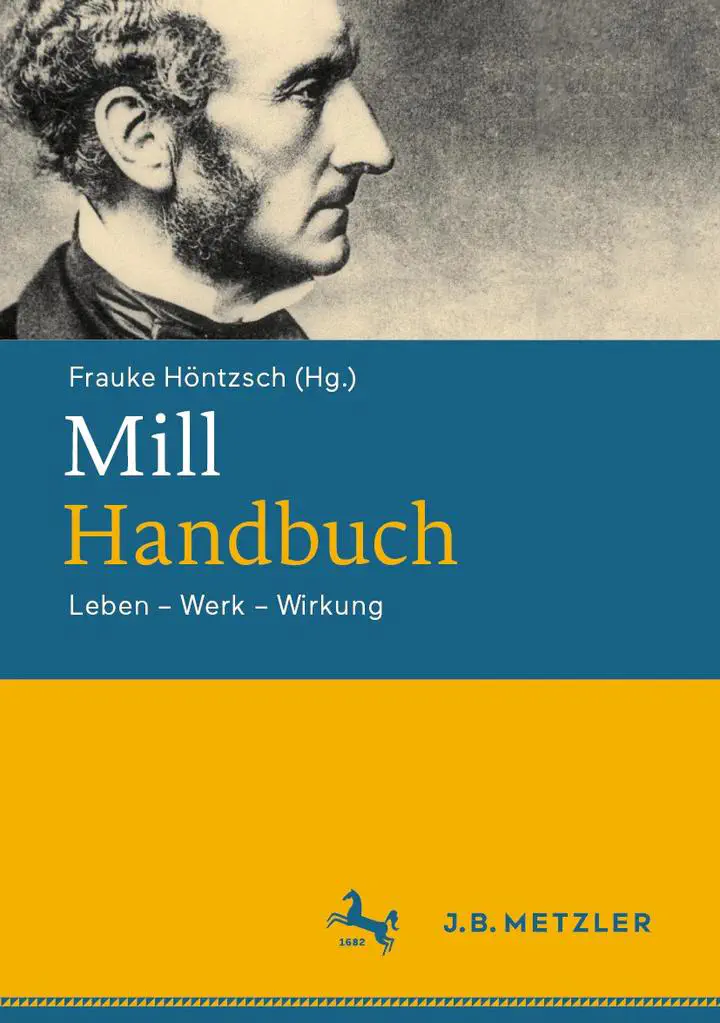
Mill-Handbuch. Leben – Werk – Wirkung (Mill Handbook. Life – Work – Impact). Pub. by Frauke Höntzsch. Berlin: J.B. Metzler, p. 273–281